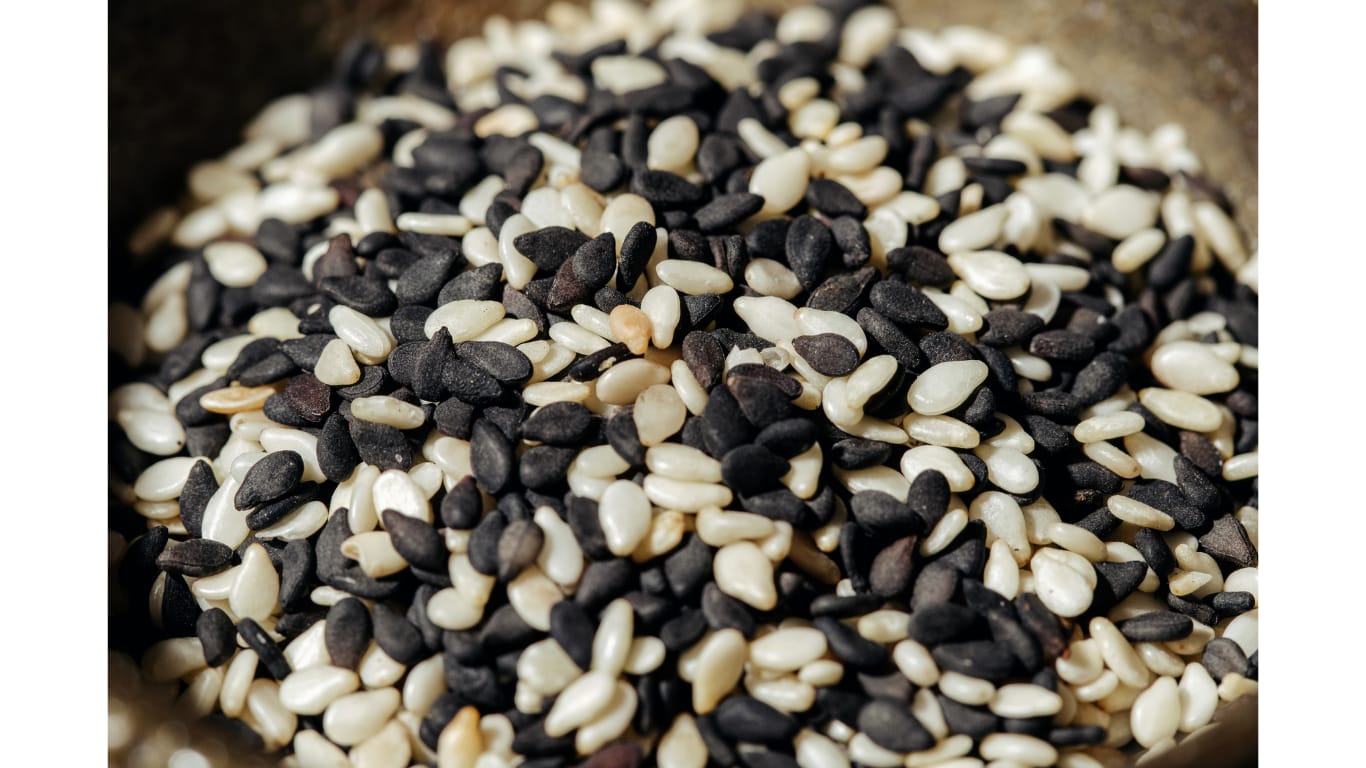
Sesame is widely cultivated in tropical and sub-tropical regions across the world. The seeds are primarily used for extracting sesame oil, while smaller quantities are consumed directly in traditional food preparations. The two most commonly grown varieties are black sesame and white sesame.
Nutritional Composition of Sesame Seeds
Sesame seeds are highly nutritious. They contain 16–20% protein and 55–60% oil, making them an energy-dense food. Whole sesame seeds are an excellent source of thiamine (vitamin B1) and provide moderate amounts of riboflavin and niacin.
Sesame seeds are also rich in calcium, although most of this mineral is present in the seed coat in the form of calcium oxalate. When the seeds are dehulled, the calcium and oxalic acid content decreases significantly.
Sesame Oil
Sesame oil is a valuable dietary fat and is rich in essential fatty acids, which support heart health and overall nutrition.
Sesame Proteins
The proteins in sesame seeds mainly consist of globulins. These proteins provide all essential amino acids and are particularly rich in methionine and tryptophan. However, they are relatively low in lysine.
The Protein Efficiency Ratio (PER) of sesame protein ranges from 1.7 to 1.8. When lysine is added, the PER improves significantly to 2.7–2.9, enhancing its nutritional quality.
Sesame-Based Products
Edible Sesame Flour
Edible sesame flour is prepared by moistening the seeds and removing the seed coat through rubbing. The dehulled seeds are then crushed in an expeller to extract oil. The remaining white cake is finely ground into flour. This flour contains approximately 35–40% protein and 10–12% oil, making it a concentrated protein source.
Protein-Rich Foods Using Sesame Flour
Sesame flour is often combined with peanut and soybean flours to produce protein-rich foods. These products are commonly used as dietary supplements, especially for children, and have been found to effectively improve protein intake in human diets.
Culinary Uses of Sesame Seeds
Sesame seeds are widely used in food preparations across different cultures. In Mexico and Venezuela, they are combined with corn flour to make bread. In India, sesame seed candy made from dehulled seeds and jaggery is a popular traditional snack. Crushed sesame seeds are also added to various cereal-based foods in India and Middle Eastern countries to enhance flavor and nutrition.