Dietary fibre is an essential part of a healthy diet, yet it is often ignored in daily food choices. Fibre is mainly found in plant-based foods such as cereals, pulses, fruits, vegetables, nuts, and seeds. Unlike sugars and starches, dietary fibre is not digested by human digestive enzymes. Instead, it passes through the digestive system and plays a powerful role in maintaining overall health.
What Is Dietary Fibre?
Dietary fibre consists of natural plant components like cellulose, hemicellulose, pectin, gums, and lignin. These substances form the structure of plant foods and help keep our digestive system working smoothly. Even though fibre does not provide calories, its health benefits are immense.
Common Sources of Dietary Fibre
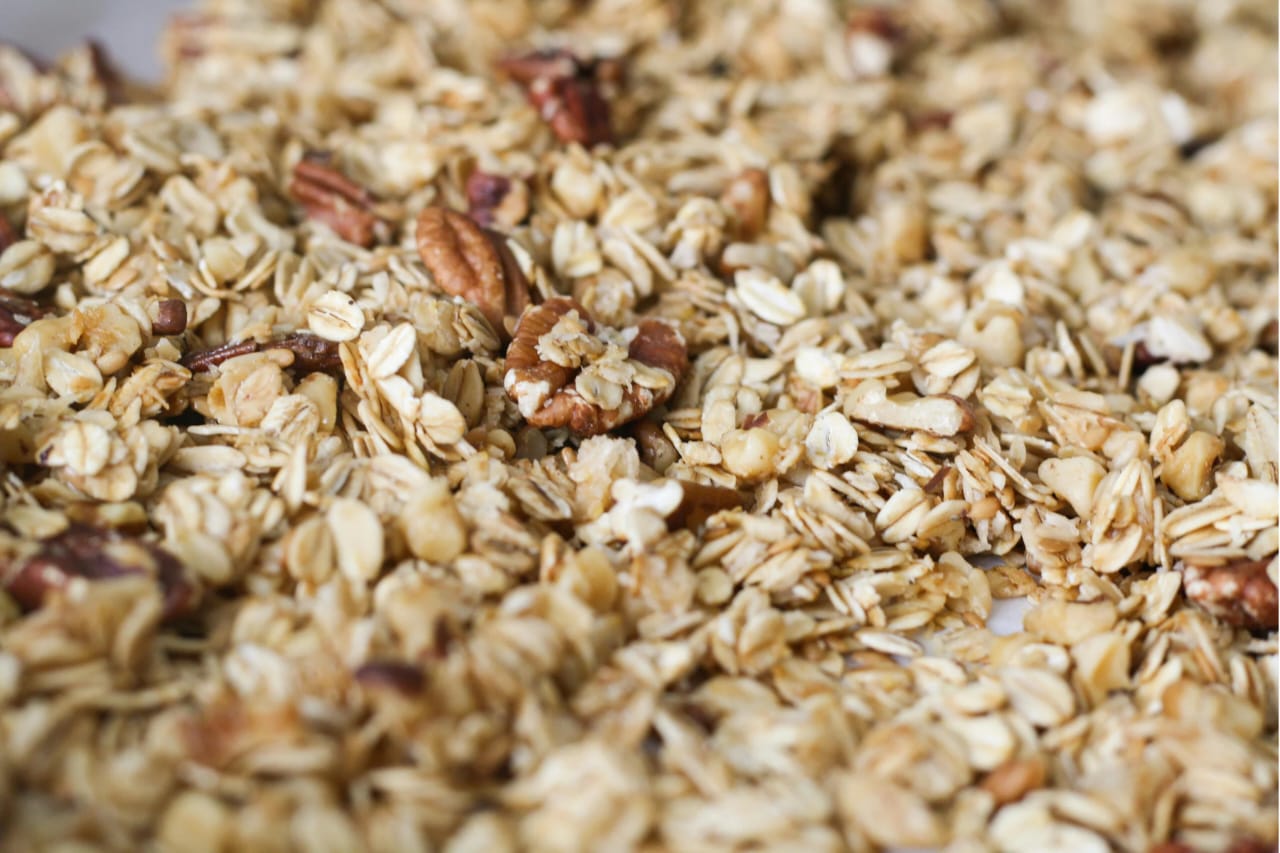
Whole grains like wheat, oats, brown rice, and millets
Pulses and legumes such as lentils, chickpeas, and beans
Vegetables, especially leafy and root vegetables
Fruits, including apples, bananas, guava, and pears
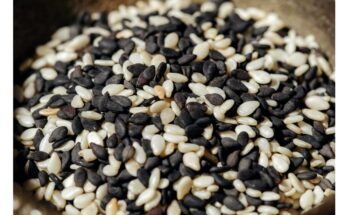
Nuts and seeds, when eaten with their skins
Choosing whole and unprocessed foods ensures higher fibre intake.
Health Benefits of Dietary Fibre
Improves Digestion
Dietary fibre adds bulk to food and helps regular bowel movements. This prevents constipation and keeps the digestive system healthy. Fibre also supports good gut bacteria, which are important for digestion and immunity.
Helps Control Blood Sugar
Fibre slows down the digestion and absorption of carbohydrates. This helps prevent sudden spikes in blood sugar levels, making fibre-rich foods especially beneficial for people with diabetes or those at risk of developing it.
Supports Heart Health
High-fibre diets help reduce cholesterol levels by decreasing fat absorption. This lowers the risk of heart diseases and supports overall cardiovascular health.
Aids in Weight Management
Fibre-rich foods keep you full for longer, reducing hunger and unnecessary snacking. This helps in maintaining a healthy body weight naturally without extreme dieting.
Enhances Nutrient Balance
Although fibre slightly reduces the absorption of some nutrients, a balanced diet with adequate fruits, vegetables, and pulses ensures sufficient intake of vitamins and minerals. The long-term health benefits outweigh minor absorption losses.
Reduces Risk of Lifestyle Diseases
Regular intake of dietary fibre is linked to a lower risk of obesity, type-2 diabetes, heart disease, and digestive disorders. It also supports colon health.
A Word of Caution
While fibre is beneficial, very high intake without enough water may cause gas or discomfort. It is best to increase fibre intake gradually and drink plenty of fluids. A balanced diet is always the key.
Conclusion: Fibre for a Healthier Society
Including adequate dietary fibre in daily meals is a simple yet powerful step toward better health. By choosing whole grains, fresh fruits, vegetables, and pulses, individuals can improve digestion, prevent chronic diseases, and enhance overall well-being.